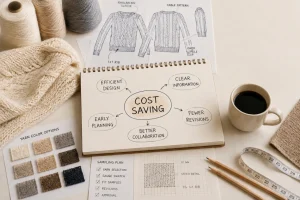
For fashion brands, developing a knitwear collection requires a careful balance between design creativity, product quality, and production costs. Unlike simple cut-and-sew garments, knitwear production involves many technical decisions that directly influence the final price of a garment.
When brands receive different quotations from knitwear manufacturers, they may wonder why the prices vary significantly even when the product designs appear similar. The reason is that knitwear production costs are influenced by many factors, including yarn selection, knitting techniques, design complexity, sampling efficiency, production planning, and manufacturing experience.
Reducing production costs does not mean choosing the cheapest supplier or lowering product standards. Instead, successful brands focus on improving production efficiency and making smarter decisions during the development process.
By understanding what affects knitwear production costs, brands can create high-quality products while maintaining better control over their budgets.
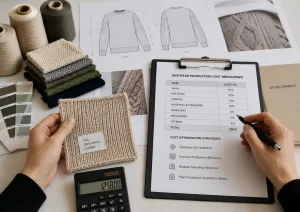
Understanding Why Knitwear Production Costs Differ
A sweater may look simple from the outside, but the manufacturing process behind it involves many technical considerations.
Two knitwear factories may provide different prices for the same design because they may use different yarn suppliers, production methods, quality standards, or manufacturing processes.
For example, one manufacturer may recommend a more suitable yarn blend that provides a similar hand feel at a lower cost. Another manufacturer may identify that a complicated knitting structure can be adjusted to improve production efficiency without changing the overall appearance.
This is why working with an experienced custom knitwear manufacturer is important. A professional supplier does not simply calculate the cost of making a garment. They also help brands find the most practical production solution based on design requirements, target customers, and market positioning.
Yarn Selection Has a Significant Impact on Production Cost
Yarn is one of the most important factors affecting knitwear production costs. Since yarn directly influences the appearance, softness, weight, and performance of a garment, material selection requires careful consideration.
Different fibers naturally have different price levels. For example, cashmere and premium wool provide a luxurious feel and excellent warmth, but they also increase material costs. Cotton and blended yarns may offer a more affordable solution while still achieving good comfort and durability.
However, choosing yarn is not only about selecting the lowest-priced option. The wrong material choice may create additional problems during production or affect customer satisfaction after purchase.
For example, some yarns may have higher shrinkage rates, more pilling issues, or require additional finishing processes. These factors can increase the actual production cost even if the initial material price appears lower.
An experienced knitwear manufacturer can help brands evaluate different yarn options and recommend materials that match both the design concept and target price range.
The goal is not simply to reduce material costs, but to achieve the best balance between quality, appearance, and production efficiency.
Knitting Structure and Design Complexity Influence Manufacturing Costs
The construction method of a knitwear garment also plays an important role in determining production costs.
Simple knit structures are usually faster to produce because they require less machine programming and fewer technical adjustments. However, fashion brands often want unique designs that help their products stand out in the market.
Features such as jacquard patterns, intarsia artwork, cable structures, special textures, and complex color combinations can increase production requirements.
This does not mean brands should avoid creative designs. Unique knitwear details often create stronger product value and help brands differentiate themselves from competitors.
The key is understanding how design choices affect manufacturing efficiency.
For example, a detailed multi-color pattern may require more production time because each color section needs careful control. A complicated texture may require additional machine settings and testing before bulk production.
During the development stage, manufacturers can often suggest technical improvements that maintain the original design concept while making production more efficient.
Small adjustments in pattern size, color arrangement, or knitting structure can sometimes reduce costs without affecting the overall visual impact of the garment.
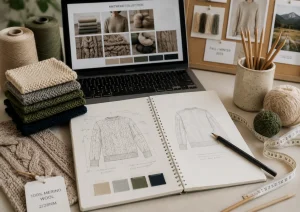
Efficient Design Planning Can Reduce Unnecessary Expenses
Many production costs are influenced before the manufacturing process even begins.
A well-prepared design allows manufacturers to develop samples more efficiently and reduces the possibility of repeated modifications.
Some brands focus heavily on creative ideas but underestimate the importance of production details. For knitwear manufacturing, information such as yarn requirements, garment measurements, knitting techniques, and finishing expectations all affect the final result.
When design information is incomplete, manufacturers may need additional communication and sample adjustments, which can increase both development time and cost.
Working with a manufacturer early in the design stage allows brands to identify potential production challenges before they become expensive problems.
A professional supplier can provide suggestions regarding yarn usage, construction methods, and production feasibility while respecting the original creative direction.
Reducing Sampling Costs Through Better Communication
Sampling is an essential part of custom knitwear development because it allows brands to evaluate the actual product before mass production.
However, excessive sample revisions can increase development costs and delay production schedules.
Many sample issues are caused by misunderstandings between brands and manufacturers, such as unclear measurements, incomplete specifications, or changes made after production has already started.
To improve sampling efficiency, brands should provide as much detailed information as possible during the early development stage.
Clear communication about design expectations, size requirements, fabric preferences, and finishing details helps manufacturers create more accurate samples.
An experienced knitwear supplier can also guide brands through the sampling process by identifying potential issues and providing professional recommendations.
A smoother sampling process not only reduces costs but also helps ensure that the final production matches the brand’s expectations.
Production Planning and Order Management Affect Cost Efficiency
Production quantity is another factor that influences knitwear pricing. While MOQ is an important consideration, cost efficiency is also related to how production is planned and managed.
Every knitwear order requires preparation, including yarn purchasing, machine setup, production scheduling, and quality checks.
When production runs are well planned, manufacturers can improve efficiency and reduce unnecessary preparation costs.
However, producing larger quantities is not always the best solution for every brand. Ordering too much inventory may create additional storage costs and increase market risks.
The most effective approach is finding the right balance between production volume, product demand, and cost efficiency.
A reliable manufacturing partner can help brands evaluate production plans and develop solutions that match their business goals.
Reducing Waste During Knitwear Production
Production waste is another hidden factor that can influence garment costs.
Waste may occur because of inaccurate material planning, unnecessary sample development, production errors, or inefficient processes.
Professional knitwear manufacturers use production experience and technical knowledge to reduce waste through better planning and quality management.
For example, accurate yarn calculations help avoid excessive material consumption. Proper machine settings reduce production mistakes. Strict quality checks help identify problems before products reach later stages.
Reducing waste benefits both manufacturers and brands because it improves efficiency while supporting more sustainable production practices.
Packaging and Logistics Should Be Considered in Total Cost
The final cost of a knitwear product is not only determined by manufacturing.
After production is completed, brands also need to consider packaging, labeling, transportation, and delivery requirements.
Some brands focus only on factory prices but overlook additional costs that affect the final product investment.
Discussing packaging and logistics requirements with manufacturers at an early stage can help brands make better decisions.
For example, choosing suitable packaging materials, optimizing shipment planning, and coordinating production schedules can reduce unnecessary expenses.
A professional supplier considers the entire production process, not only the knitting stage.
Choosing the Right Manufacturer Is the Key to Long-Term Cost Control
When selecting a knitwear manufacturer, the lowest quotation is not always the most cost-effective choice.
A supplier with strong technical experience can help brands reduce costs by preventing mistakes, improving production efficiency, and recommending better solutions.
A reliable manufacturing partner provides value through:
- Better material recommendations
- More accurate sampling
- Improved production planning
- Consistent quality control
- Reduced development risks
For fashion brands, the real goal is not simply producing cheaper garments. It is creating products with the right balance of quality, cost, and market value.
Conclusion
Reducing knitwear production costs requires more than finding a lower factory price. It requires a complete understanding of how materials, design decisions, production methods, and manufacturing processes influence the final cost.
By selecting suitable yarns, optimizing designs, improving communication during sampling, reducing waste, and working with an experienced custom knitwear manufacturer, fashion brands can achieve better cost efficiency without sacrificing quality.
A well-planned production strategy allows brands to create competitive knitwear collections while maintaining the craftsmanship and quality that customers expect.